
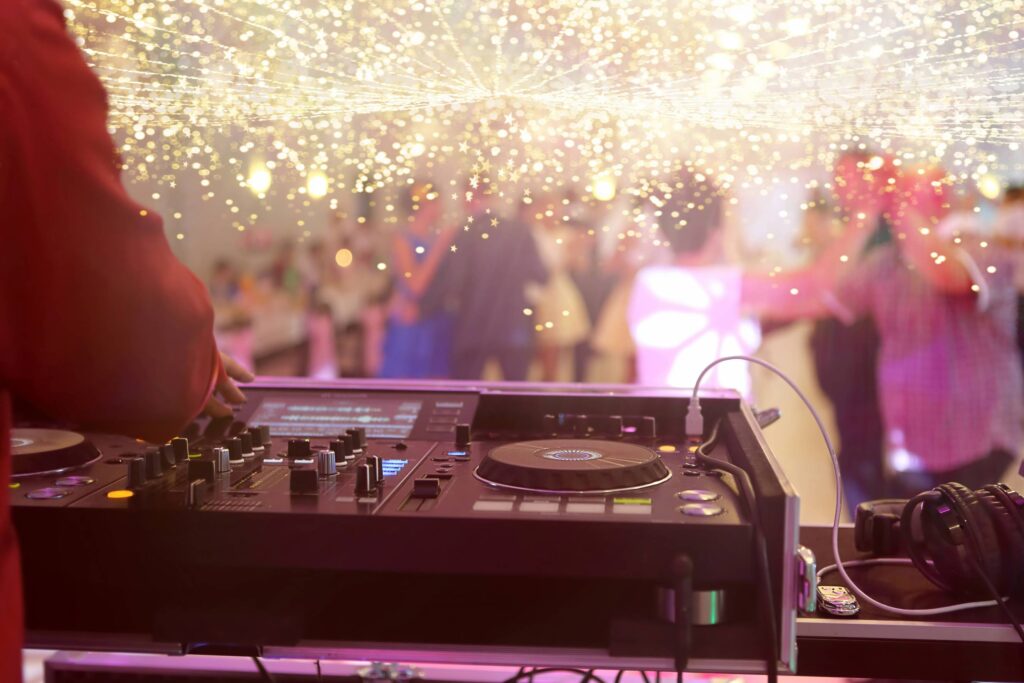
The music at your wedding reception sets the entire tone for the celebration. It’s the soundtrack to your first dance, the catalyst for a packed dance floor, and the invisible hand guiding the evening’s flow from dinner to departure. On Long Island, with its diverse venues from North Fork vineyards to South Shore ballrooms, the right DJ does more than play songs—they become a strategic partner in executing your vision. A subpar selection can lead to awkward silences, a dead dance floor, and a timeline that unravels.
This guide cuts through the noise. We’re not listing generic qualities; we’re detailing the five concrete, actionable factors that separate a true professional from a hobbyist with speakers. By focusing on these criteria, you can confidently select a DJ who will handle the technical details with precision and read the room to create an unforgettable atmosphere. Your search for the perfect soundtrack starts with knowing exactly what to prioritize.
1. Experience and Specialization in Weddings
A great party DJ is not automatically a great wedding DJ. Weddings are complex, emotionally charged productions with a specific rhythm and myriad non-musical responsibilities. The first thing to vet is a DJ’s depth of experience specifically in the wedding industry, particularly on Long Island.
Proven Wedding Portfolio
Ask for a portfolio of recent weddings. A professional should readily provide links to video highlights or a gallery of photos from past events. Look for consistency in setup quality, professional attire, and engaged crowds. Listen to audio samples or mixes they’ve prepared. This gives you a sense of their mixing style and sound quality beyond a simple playlist.
Mastery of the Wedding Flow
Inquire about their process for structuring the evening’s key events: the grand entrance, first dances, toasts, cake cutting, and bouquet toss. They should have a clear, flexible system for coordinating these moments with you, your wedding planner, and the venue coordinator. A seasoned Long Island Wedding DJ understands the acoustics of local venues, knows how to work with onsite coordinators, and can troubleshoot common issues like microphone feedback during speeches without missing a beat.
2. Professionalism and Planning Process
Your DJ will be a prominent vendor interacting with your guests and other professionals. Their behind-the-scenes professionalism is as critical as their performance. The planning process is your window into their operational standards.
Detailed Consultation and Planning Tools
A professional DJ insists on a thorough consultation, either in person or via video call, long before your wedding day. They should use detailed planning forms or online portals to capture your must-play songs, “do-not-play” list, vendor meal request, and timeline specifics. This structured approach shows they treat your event as a unique project, not just another gig. They should also be willing to schedule a final timeline review call a week or two before the wedding.
Clear Contracts and Insurance
Never work with a DJ who doesn’t provide a formal contract. The contract should clearly outline the services provided, total cost, overtime rates, setup/breakdown times, cancellation policy, and a clause detailing what happens if they cannot perform due to illness or emergency (a qualified backup should be provided). Furthermore, any professional vendor working at a Long Island wedding venue must carry liability insurance. Always ask for a certificate of insurance (COI); reputable venues will require it.
3. Equipment Quality and Backup Plans
The best music selection falls flat if the sound system is poor or fails. Professional-grade, well-maintained equipment is non-negotiable. This is a technical area where you should ask specific questions.
Sound System Specifications
Don’t be intimidated by technical terms. Simply ask: “What brand and model of speakers, mixers, and microphones do you use?” High-quality brands like QSC, JBL, or Electro-Voice are industry standards. Ask if their system is appropriate for your venue’s size and layout—a ballroom for 300 requires a more powerful setup than an intimate garden party. They should also bring wireless microphones for toasts that are reliable and feedback-resistant.
The Non-Negotiable Backup Plan
What is their plan if a speaker blows, a laptop crashes, or a cord fails mid-reception? A true professional brings backup for every critical component: a second laptop with all music loaded, backup speakers, extra cables, and multiple microphones. They should also have a battery-powered speaker on hand in case of a rare venue power outage. Their ability to handle technical failures invisibly is a hallmark of their expertise.
4. Musical Knowledge and Crowd-Reading Ability
This is the art behind the science. A professional DJ possesses both an extensive library and the intuitive skill to read a room and guide its energy.
Vast and Accessible Music Library
Ensure their library is extensive, legally obtained, and regularly updated. They should be comfortable with your core genres—whether that’s classic rock, hip-hop, Top 40, or cultural-specific music—and adept at blending songs seamlessly. During your consultation, ask how they would handle a request that’s on your “do-not-play” list (a polite but firm decline is the correct answer). The right partner, like the team at Long Island Wedding DJ, will use planning tools to understand your taste and build a foundation that reflects you, while still leaving room for expert curation.
The Intangible Skill of Emceeing
The DJ’s role as an emcee is delicate. They should make necessary announcements clearly and with enthusiasm, but never overshadow the event or turn it into their own personal show. Ask how they approach emceeing. Do they use pre-written scripts? How do they gauge when to encourage crowd participation? Watch videos of their past weddings to hear their microphone presence—it should be confident, warm, and never cheesy or overly intrusive.
5. Client Reviews and Personal Rapport
Finally, trust your due diligence and your gut. The data from past clients and the chemistry you feel during your interactions are both powerful indicators.
Scrutinizing Testimonials and References
Go beyond star ratings. Read detailed reviews on Google, The Knot, and WeddingWire. Look for consistent praise about specific strengths: professionalism, punctuality, flexibility, and energy management. A professional DJ should be able to provide contact information for one or two past clients who have agreed to be references. Speaking directly with a former couple can provide invaluable, unfiltered insights.
You Must Like and Trust Them
You will be in close communication with this person on one of the most important days of your life. Do you feel comfortable with them? Do they listen more than they talk? Do their communication style and energy align with your vision? If something feels off during the consultation, it’s a valid reason to keep looking. The ideal Long Island Wedding DJ is someone you can trust implicitly to manage a major part of your celebration, allowing you to be fully present.
Frequently Asked Questions
How far in advance should I book a wedding DJ?
For popular dates, especially during peak season (May-October), you should aim to book your DJ 9 to 12 months in advance. For off-season or weekday weddings, 6-8 months may be sufficient. Securing your DJ early ensures you get your top choice and allows ample time for collaborative planning.
What is the average cost for a professional wedding DJ on Long Island?
As of 2024, a professional, full-service wedding DJ on Long Island typically ranges from $1,800 to $3,500+. This price reflects experience, equipment quality, the length of service, and any additional offerings like ceremony sound, uplighting, or photo booth services. Be wary of quotes significantly lower than this range, as they often indicate inexperience or a lack of professional-grade equipment and insurance.
What questions should I ask during the initial consultation?
Key questions include: How many weddings have you performed as the lead DJ? Can you provide a sample wedding timeline you’ve created? What is your backup equipment plan? What does your contract include? How do you handle music requests from guests? Can we see video from a full wedding reception you’ve DJ’d?
Should I provide a “do-not-play” list?
Absolutely. A “do-not-play” list is as important as your must-play songs. It gives your DJ clear boundaries and prevents any songs that might kill the mood or hold negative associations for you or family members. A professional DJ will respect this list completely.
What’s the difference between a DJ and a band for a wedding?
A DJ offers a wider variety of music, seamless transitions between songs and genres, and typically handles emcee duties. A band provides live energy and a specific sonic character. Some couples opt for both—a band for the cocktail hour and dinner, and a DJ to keep the dance floor packed later into the night. A DJ is generally more cost-effective for covering a vast musical range.
Conclusion
Choosing your wedding DJ is a decision that resonates throughout your entire reception. By methodically evaluating a candidate’s wedding-specific experience, their professionalism in planning, the quality and redundancy of their equipment, their musical adaptability, and the authentic feedback from past clients, you move beyond a simple audition. You engage in a strategic selection process.
This framework empowers you to find a true partner—a professional who will invest in understanding your unique story and use their expertise to amplify your joy. The right DJ doesn’t just play music; they architect the energy of your celebration, ensuring that from the first note to the last, your wedding feels uniquely and unforgettably yours. Let these five criteria guide your search, and you’ll secure a cornerstone vendor who contributes to a flawless, fun-filled day.










Most Commented