

Introduction: Why Data Analytics Is the New Competitive Advantage
We live in a world where decisions can no longer be made based on intuition alone. With markets constantly shifting, customer expectations evolving, and competition intensifying, businesses need clarity — and that clarity comes from data analytics.
Data analytics helps companies understand what’s working, what’s failing, and where new opportunities exist. Whether you’re running a small business or a global enterprise, using data wisely can transform the way you operate and make your decisions smarter, faster, and more profitable.
In this article, we’ll break down how you can use data analytics to make better business decisions, regardless of your industry or size.
1. Understanding the Role of Data Analytics in Modern Business
What Data Analytics Really Means
Data analytics is the process of:
-
Collecting information
-
Analyzing patterns
-
Extracting insights
-
Turning insights into actionable decisions
It’s like having a magnifying glass that reveals what your customers want, what your competitors are doing, and what direction your business should take.
Why Organizations Are Becoming Data-Driven
Companies that use data effectively experience:
-
Higher revenue
-
Reduced costs
-
Better customer retention
-
Faster innovation
Data-driven businesses don’t guess — they know.
2. Types of Data Analytics Every Business Should Know
Descriptive Analytics
Describes what happened in the past.
Example: monthly sales reports.
Diagnostic Analytics
Explains why something happened.
Example: why sales dropped last month.
Predictive Analytics
Uses trends to forecast what will happen next.
Example: predicting seasonal demand.
Prescriptive Analytics
Suggests actions to achieve the best outcome.
Example: recommending pricing strategies.
Understanding these four types helps you make decisions based on both history and future possibilities.
3. Identifying the Right Data for Better Decisions
Not all data is useful — the right data is.
Internal Business Data
Includes:
-
Sales figures
-
Website analytics
-
Customer behavior
-
Inventory data
-
Employee performance
This data reflects your company’s internal health.
External Market Data
Includes:
-
Industry trends
-
Competitor analysis
-
Social media sentiment
-
Market demand
External data helps you understand your position in the market.
4. Setting Clear Objectives Before Analyzing Data
Without clear goals, even the best data is meaningless.
Defining KPIs and Success Metrics
KPIs should be:
-
Specific
-
Measurable
-
Relevant
-
Time-bound
Examples include:
-
Conversion rate
-
Customer lifetime value
-
Cart abandonment rate
Aligning Analytics With Business Goals
If your goal is growth, focus on data about customer acquisition.
If your goal is profit, analyze cost efficiencies and product performance.
Data only works when aligned with objectives.
5. Using Data Collection Tools and Technologies
Tools for Small Businesses
-
Google Analytics
-
Zoho Analytics
-
HubSpot
-
Mailchimp insights
These tools are beginner-friendly and budget-friendly.
Tools for Enterprises
-
Tableau
-
Power BI
-
Salesforce Einstein
-
AWS and Google Cloud analytics
Advanced tools offer deeper insights for large-scale operations.
6. Implementing Data Visualization to Make Insights Clear
Dashboards and Visual Charts
Humans understand visuals faster than raw numbers.
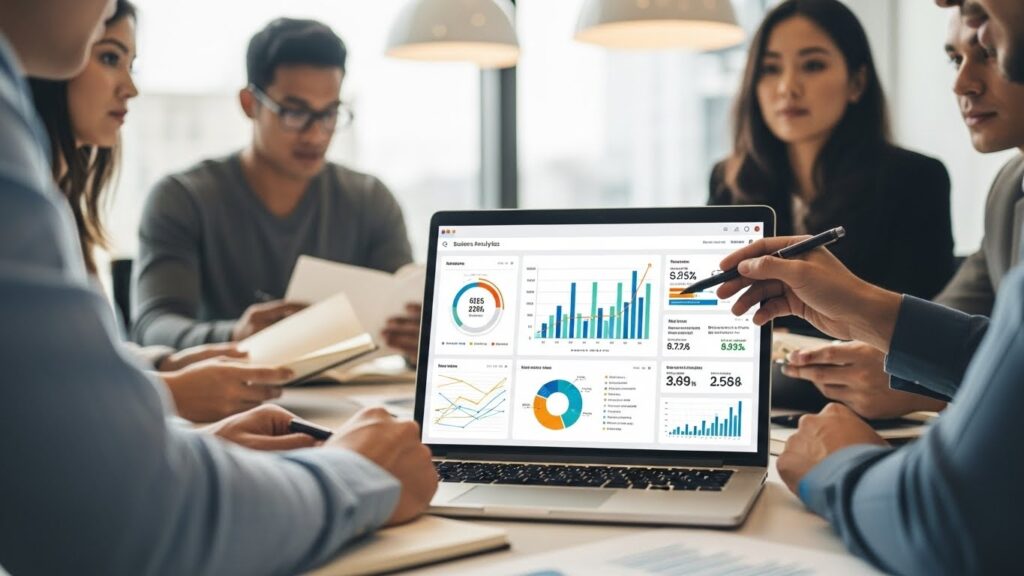
Dashboards help you track data in real-time with:
-
Bar charts
-
Line graphs
-
Heatmaps
-
Pie charts
Turning Complex Data Into Simple Stories
The goal of visualization is clarity.
It helps decision-makers instantly understand what actions to take.
7. Leveraging Predictive Analytics for Future Planning
Forecasting Trends
Predictive analytics can help you anticipate:
-
Sales trends
-
Market shifts
-
Inventory needs
-
Customer demand
Imagine making decisions before trends even begin — that’s the power of prediction.
Anticipating Customer Behavior
Analytics can reveal:
-
What customers are likely to buy
-
When they’ll buy
-
Why they leave
-
What keeps them engaged
This helps you craft better marketing and retention strategies.
8. Improving Customer Experience With Analytics
Personalization Strategies
Personalization increases engagement and loyalty.
Use data to personalize:
-
Emails
-
Website content
-
Product recommendations
-
Customer support
People love brands that understand them.
Customer Segmentation
Group customers by:
-
Age
-
Location
-
Behavior
-
Spending habits
Segmentation helps you target each group with tailored messages and offers.
9. Enhancing Marketing Campaigns Through Analytics
Performance Tracking
Track:
-
Click-through rates
-
Ad performance
-
Social media engagement
-
Content performance
This helps you identify what’s resonating with your audience.
Optimizing Ad Spend and ROI
Analytics tell you:
-
Which ads waste money
-
Which campaigns drive profit
-
Which channels perform best
This ensures every dollar works harder for your business.
10. Using Data Analytics to Optimize Operations
Improving Efficiency
Analytics reveal slow processes and bottlenecks.
It helps improve:
-
Supply chain management
-
Inventory control
-
Employee productivity
Reducing Costs and Waste
By identifying:
-
Overproduction
-
Low-performing products
-
Excessive expenses
Data helps businesses streamline operations and boost profits.
11. Encouraging a Data-Driven Culture Within Your Team
Training Employees to Use Data
Data literacy is essential.
Train your team to:
-
Interpret analytics reports
-
Use dashboards
-
Make data-backed suggestions
Empowering Departments With Insights
Each department—marketing, sales, HR, operations—should use data for its own goals.
A true data-driven culture comes from collective adoption.
12. Maintaining Data Privacy and Ethical Standards
Handling Customer Data Responsibly
Always:
-
Store data securely
-
Avoid unnecessary data collection
-
Be transparent about usage
Customer trust is priceless.
Regulations Businesses Must Follow
Depending on your region:
-
GDPR
-
CCPA
-
Data Protection Acts
Following regulations avoids legal trouble and enhances brand trust.
Conclusion
Data analytics isn’t just a tool — it’s a business superpower. When used effectively, it helps you understand your customers, reduce costs, improve operations, optimize marketing, and make smarter decisions at every level.
The companies thriving today aren’t guessing their way to success. They’re using insights, patterns, and predictions to lead with confidence.
By developing a data-driven mindset and using the right frameworks, tools, and strategies, your business can make faster, smarter, and more profitable decisions — every single day.
FAQs
1. Do small businesses really need data analytics?
Yes — even small businesses benefit from tracking customer behavior, sales trends, and marketing performance.
2. What’s the easiest way to start using data analytics?
Begin with free tools like Google Analytics and basic dashboards that show sales, traffic, and customer data.
3. How can data analytics improve customer experience?
It helps personalize interactions, segment customers, and predict their needs before they even ask.
4. What’s the difference between predictive and prescriptive analytics?
Predictive analytics forecasts future trends, while prescriptive analytics recommends the best actions to take.
5. Which industries benefit most from data analytics?
Every industry — from retail and finance to healthcare, real estate, and eCommerce — uses analytics to improve decisions.

Most Commented