
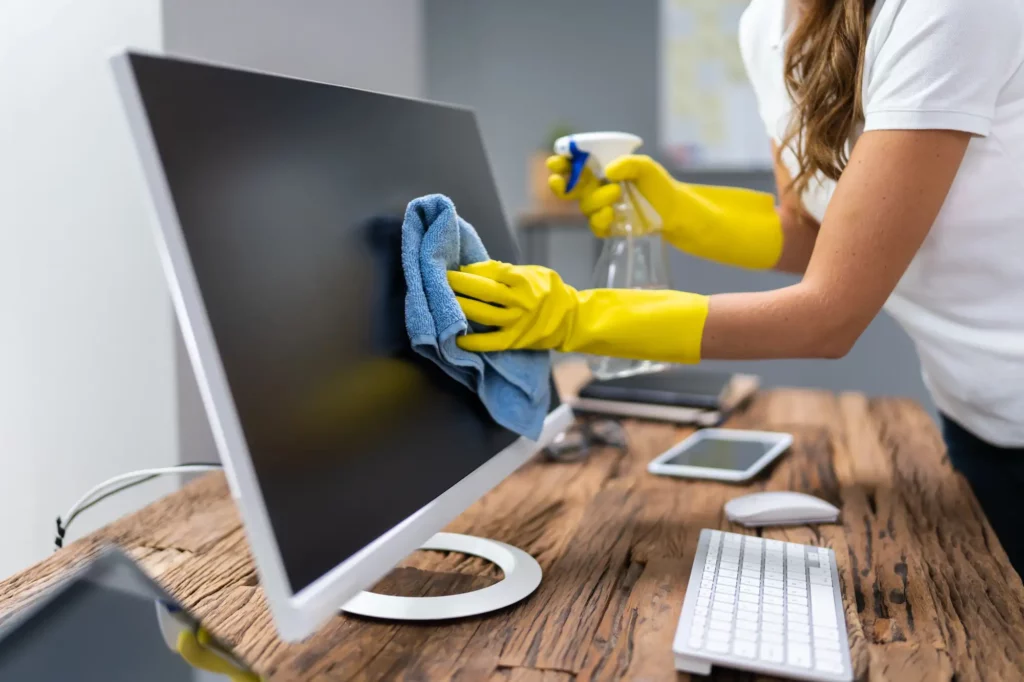
Workplace cleanliness directly impacts employee productivity, client impressions, and operational efficiency. Yet traditional cleaning schedules often create bottlenecks during peak business hours—staff navigating around cleaning equipment, interrupted meetings, and the constant hum of vacuum cleaners disrupting phone calls. After-hours office cleaning services dubai solve this problem by shifting maintenance activities outside regular work hours, allowing businesses to maintain pristine environments without sacrificing operational flow.
Companies across Dubai’s commercial districts increasingly recognize that cleaning during business hours costs more than just inconvenience. It fragments employee focus, creates safety hazards with wet floors during high-traffic periods, and forces compromises on thoroughness. After-hours cleaning eliminates these trade-offs entirely, delivering comprehensive sanitation while your team sleeps.
This article explores how strategic after-hours cleaning schedules protect business continuity, enhance workplace safety, and deliver superior results compared to daytime alternatives.
The Hidden Costs of Daytime Cleaning Operations
Traditional cleaning schedules interrupt workflow in ways most managers underestimate. When cleaning crews work during office hours, employees lose an average of 15-20 minutes daily navigating obstacles, relocating for floor maintenance, or pausing conversations due to noise. Multiply this across a 50-person office, and you’re hemorrhaging productive hours weekly.
Daytime cleaning also forces surface-level work. Cleaners avoid deep-cleaning tasks that require moving furniture or using loud equipment, knowing they’ll disrupt meetings or client calls. This compromise accumulates over time—carpets retain embedded dirt, high-touch surfaces receive inadequate disinfection, and restrooms never achieve truly thorough sanitation because crews rush to minimize inconvenience.
Security concerns compound these issues. With staff and visitors moving throughout the building, cleaners can’t secure areas properly or restrict access to sensitive zones during maintenance. Documents get accidentally displaced, and the risk of theft or data exposure increases when cleaning happens amid active business operations.
How After-Hours Cleaning Protects Workflow Continuity
After-hours schedules flip these problems into advantages. Office Cleaning Services Dubai operating during evening or early morning hours work in empty offices where they can execute comprehensive cleaning protocols without constraint. Teams can move furniture to reach neglected areas, run industrial equipment at full power, and spend adequate time on detail work that daytime schedules simply can’t accommodate.
Employees arrive each morning to spotless workspaces with no memory of the cleaning process. Desks gleam, floors shine, and restrooms smell fresh—all achieved invisibly. This seamless experience eliminates the psychological friction of working around maintenance activities, allowing staff to start their day with full focus rather than navigating cleaning obstacles.
The operational benefits extend beyond convenience. After-hours cleaning enables proper ventilation protocols—crews can open windows and run air purifiers without affecting climate control for occupied spaces. Chemical cleaning agents dissipate fully before employees arrive, eliminating odor complaints and reducing exposure to cleaning solutions that might trigger sensitivities.
Enhanced Cleaning Quality Through Unrestricted Access
Quality improves dramatically when cleaners work without time pressure or spatial constraints. After-hours teams can implement systematic cleaning patterns that ensure no area gets overlooked. They methodically work through each zone, moving from high to low surfaces, addressing corners and edges that daytime crews often skip to avoid disrupting occupied desks.
Deep-cleaning tasks become routine rather than occasional projects. Carpet extraction, upholstery cleaning, and detailed kitchen sanitation happen on regular schedules because crews have the time and space to execute properly. This consistency prevents the deterioration that occurs when maintenance gets perpetually deferred to avoid business disruption.
Specialized Equipment Deployment
After-hours access allows use of industrial-grade equipment that would be impossible during business hours. High-powered extraction cleaners, rotary floor scrubbers, and commercial-grade disinfection foggers deliver results far superior to manual methods, but their noise levels and space requirements make daytime use impractical. Evening crews deploy these tools freely, achieving sanitation standards that protect employee health and extend the lifespan of office furnishings and finishes.
Attention to High-Touch Surfaces
Comprehensive disinfection of door handles, light switches, elevator buttons, and shared equipment requires time and thoroughness. After-hours teams can systematically address every high-touch point without rushing, applying appropriate dwell times for disinfectants to work effectively. This methodical approach significantly reduces illness transmission compared to hurried daytime wipe-downs.
Security and Confidentiality Advantages
After-hours cleaning strengthens security protocols rather than compromising them. Professional Office Cleaning Services Dubai implement strict vetting processes for evening staff, including background checks and security training. These crews work in secured buildings with controlled access, and their activities are typically monitored through building security systems.
With no employees present, sensitive documents and equipment face less exposure risk. Cleaning teams can lock down areas systematically as they complete each zone, and managers can implement protocols for securing confidential materials before departure. This controlled environment actually reduces security incidents compared to daytime cleaning when multiple parties move through spaces simultaneously.
Digital security benefits too. IT departments can schedule system maintenance, backups, and updates during cleaning hours, knowing no users will be disrupted. This coordination maximizes both cleaning efficiency and technology maintenance windows.
Cost Efficiency Through Operational Optimization
After-hours cleaning delivers better value despite potentially higher hourly labor rates. The efficiency gains from unrestricted access mean crews complete tasks 20-30% faster than daytime counterparts navigating around occupied spaces. This speed advantage often offsets wage premiums, resulting in comparable or lower total costs.
Reduced disruption translates to measurable productivity gains. Employees working uninterrupted full days generate more output than those losing focus to cleaning activities. For knowledge workers whose time carries high value, even small productivity improvements justify the investment in after-hours services.
Building systems operate more efficiently too. HVAC systems can run on setback schedules during cleaning hours rather than maintaining full climate control. Lighting can be staged to illuminate only areas being cleaned rather than entire floors, reducing energy consumption significantly.
Implementing Effective After-Hours Cleaning Programs
Successful after-hours cleaning requires clear communication and defined protocols. Establish expectations around access procedures, security requirements, and quality standards before services begin. Designate a point person who conducts periodic inspections to verify work quality and address any concerns promptly.
Create a feedback loop that allows employees to report issues without disrupting cleaning schedules. Digital reporting systems work well—staff photograph concerns and submit them through a simple form, enabling managers to address problems without requiring real-time intervention.
Schedule periodic walkthroughs with your cleaning provider to review performance and adjust protocols as your needs evolve. These reviews ensure services scale appropriately as your business grows or changes, maintaining alignment between cleaning scope and actual requirements.
Frequently Asked Questions
How do after-hours cleaners access secured office buildings?
Professional cleaning companies coordinate with building management to obtain authorized access credentials. Cleaners typically receive time-restricted access cards or codes that work only during scheduled cleaning windows. Many buildings also require cleaning staff to check in with security personnel and may monitor their movements through surveillance systems.
What happens if something gets damaged during after-hours cleaning?
Reputable cleaning services carry comprehensive liability insurance covering property damage and theft. Establish clear protocols for reporting incidents immediately, and ensure your service agreement specifies insurance coverage minimums. Quality providers document pre-existing conditions and maintain detailed logs of their activities to resolve any disputes quickly.
Can we customize which areas get cleaned on specific days?
Absolutely. After-hours schedules offer greater flexibility for customized cleaning rotations. You might schedule daily cleaning for high-traffic areas like restrooms and kitchens while rotating deep-cleaning tasks through different zones on different nights. This approach optimizes both thoroughness and cost-efficiency.
How do we ensure cleaning quality without being present to supervise?
Implement objective quality metrics and inspection protocols. Conduct surprise early-morning inspections before staff arrive, or use time-stamped photography to document completed work. Many cleaning companies now offer digital reporting systems where supervisors photograph completed areas and log task completion in real-time.
Are after-hours cleaning services more expensive than daytime options?
Hourly rates may be slightly higher due to evening wage premiums, but total costs often prove comparable or lower. After-hours crews work more efficiently without navigating around occupied spaces, completing tasks faster. The productivity gains your business realizes from uninterrupted workdays typically far exceed any marginal cost increase.
What about businesses that operate 24/7 or have shift workers?
Even round-the-clock operations benefit from strategic cleaning schedules. Identify low-traffic windows—perhaps between shift changes or during predictably quiet periods—and concentrate cleaning activities then. Zone-based cleaning allows crews to work in unoccupied areas while other sections remain active, minimizing disruption even in continuously operating facilities.
Conclusion
After-hours office cleaning services dubai represent more than a scheduling convenience—they’re a strategic investment in operational efficiency and workplace quality. By eliminating the daily disruptions of daytime cleaning, businesses protect employee productivity, enable more thorough sanitation, and create consistently professional environments that impress clients and support staff wellbeing.
The competitive advantage extends beyond immediate cost calculations. Companies that maintain pristine facilities without operational interruption signal professionalism and attention to detail that resonates with clients and employees alike. As Dubai’s business landscape grows increasingly sophisticated, after-hours cleaning transitions from luxury to necessity for organizations serious about maximizing every aspect of their operational performance.









Most Commented