
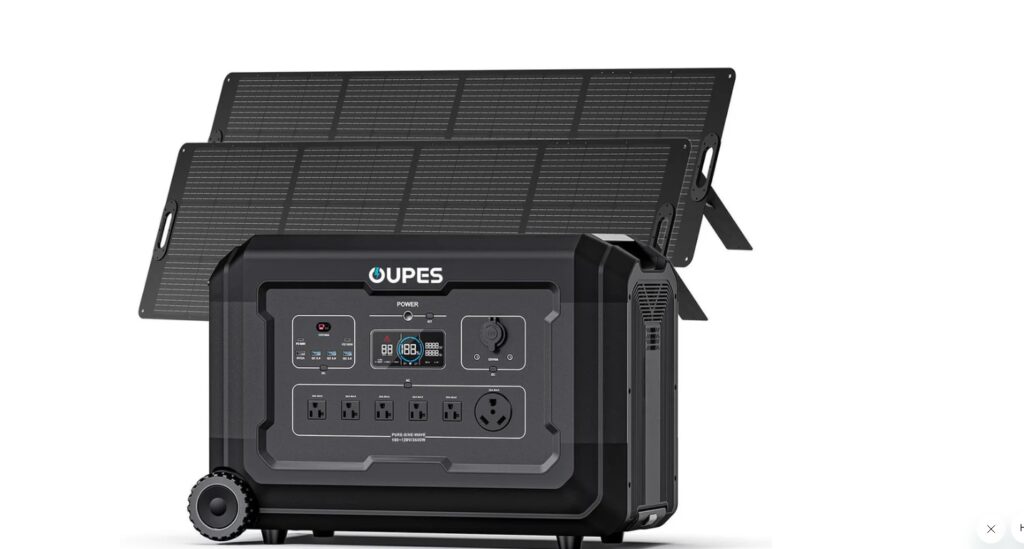
A solar generator is a significant investment in your home’s energy resilience. Unlike fuel-powered models that can be neglected until needed, a solar power system requires consistent, proactive care. The performance and lifespan of your solar generators for home backup depend directly on how well you maintain its components through spring rains, summer heat, autumn leaves, and winter snow.
Proper maintenance isn’t about complex weekly chores. It’s a set of strategic, seasonal checks that prevent minor issues from becoming major failures. A well-cared-for system ensures you have immediate, dependable power during an outage and protects your financial investment for years to come. This guide outlines a practical, year-round schedule to keep your generator in peak condition, regardless of the weather.
The Core Components of Your System
Understanding what you’re maintaining is the first step. A typical solar generator setup includes three primary subsystems, each with unique needs.
The solar panels are your system’s engine, converting sunlight into electricity. Their efficiency hinges on clean, unobstructed surfaces. The battery bank, usually lithium-ion or LiFePO4, stores that energy. Its health is governed by charge cycles, temperature exposure, and state of charge. The power station or inverter unit manages energy flow, converting stored DC power to usable AC power for your home appliances. Regular checks on its ventilation, connections, and display readings are crucial.
Seasonal Maintenance Checklist
Adopting a seasonal approach aligns your tasks with the changing environmental challenges your equipment faces. This proactive rhythm is more effective than sporadic, reactive fixes.
Spring: Post-Winter Inspection and Preparation
Spring is the ideal time for a thorough inspection after winter’s harsh conditions. Begin with a visual check of all mounting hardware and electrical connections for any corrosion or loosening caused by freeze-thaw cycles. Clean your solar panels meticulously. Winter grime, pollen, and bird droppings can significantly reduce energy harvest. Use a soft brush, mild soap, and water—never abrasive pads or high-pressure sprays that could damage the glass.
Check the battery management system (BMS) readout on your unit. Ensure batteries are holding a charge correctly. This is also the time to verify your system’s full operational cycle: that panels are charging the batteries and the inverter is properly delivering power to a test load.
Summer: Managing Heat and Peak Output
Summer brings intense sun and high temperatures, which can stress your system. Your primary focus is heat management and monitoring output. Ensure the power station and any external battery enclosures are in a cool, shaded, and well-ventilated location. Overheating can trigger safety shut-offs and accelerate battery degradation.
Monitor charging rates during the longest days. Your panels should be producing near their maximum rated output around solar noon on a clear day. Consistently lower numbers may indicate an underlying issue. Keep vegetation trimmed back to prevent new growth from shading panels later in the season.
Autumn: Clearing Debris and System Testing
As leaves fall and storms become more frequent, debris management is key. Regularly clear leaves, pine needles, and twigs from panel surfaces and from around the equipment. Blocked ventilation can cause overheating even in cooler weather.
Perform a full-load test of your system. As the days shorten, simulate a power outage by running your essential appliances from the solar generator to confirm runtime meets your expectations. This functional test is more valuable than any simple meter reading. It’s also a good time to review and update your list of priority loads.
Winter: Protecting from Cold and Ensuring Readiness
Cold weather affects lithium batteries, reducing their effective capacity and making proper storage critical. If possible, store the power station and batteries in a temperature-controlled environment above freezing. If they must remain in an unheated space, consider an insulated enclosure, but never place a heating source directly against the units.
Keep solar panels clear of snow accumulation. Snow itself is not inherently damaging, but a thick layer blocks all energy production. A soft roof rake designed for solar panels can be used safely from the ground. Most importantly, maintain your battery’s charge. Never leave lithium batteries at a 0% state of charge in freezing temperatures, as this can cause permanent damage.
Proactive Monitoring and Record Keeping
Modern solar generators often include Bluetooth or Wi-Fi connectivity for system monitoring via a smartphone app. Make a habit of checking this app weekly. Look for consistent charging patterns, battery health indicators, and any error codes. A sudden drop in daily harvested energy is often the first sign of a problem.
Keep a simple maintenance log. Note the dates of cleanings, visual inspections, test runs, and any anomalies you observe. This record becomes invaluable for troubleshooting and can be essential for warranty claims. It also helps you understand your system’s normal performance baselines across different seasons.
Safety First: Non-Negotiable Practices
Maintenance must always be performed safely. Before cleaning panels or inspecting wiring, shut down the entire system according to the manufacturer’s instructions. Wear appropriate personal protective equipment, such as gloves and safety glasses, when handling cables or terminals.
Never attempt to open or modify the sealed battery packs or power station internals. This voids warranties and poses serious electrical and fire risks. For complex issues, contact a qualified technician. When considering system expansions or accessories, ensure compatibility with your existing setup. Reputable manufacturers like those offering OUPES portable power solutions provide clear specifications and support for safe integration.
Troubleshooting Common Issues
Even with meticulous care, you may encounter occasional issues. A systematic approach can identify the cause.
If the system isn’t charging, first check the most obvious culprits: ensure all cables are securely connected from the panels to the power station. Verify that the solar panels are clean, unshaded, and angled toward the sun. Check the power station’s input display for incoming voltage.
If the inverter shuts off under load, you are likely exceeding its continuous wattage rating. Calculate the total wattage of the appliances running simultaneously and ensure it is below the unit’s rated output. A sudden reduction in backup runtime typically points to battery health or an increase in your actual power consumption during an outage.
Frequently Asked Questions
How often should I clean my solar panels?
For optimal performance, inspect and clean panels at least twice a year—in spring and autumn. In dusty environments or areas with high pollen or bird activity, quarterly cleaning may be necessary. Rainfall alone is not sufficient for a thorough cleaning.
Can I use my solar generator while it’s charging?
Yes, most modern solar generators support “pass-through charging,” allowing you to draw power from the unit while it is being charged by solar panels or an AC outlet. However, this may extend the total time needed to reach a full battery charge.
What is the best long-term storage charge for my solar generator battery?
For lithium-based batteries, the ideal storage charge is between 50% and 70%. Store the unit in a cool, dry place. Recharge it to this level every three to six months if it will not be used for an extended period to maintain battery health.
Will cold weather damage my solar generator?
Extreme cold can temporarily reduce lithium battery capacity and efficiency, but it will not cause permanent damage if the unit is used and stored according to manufacturer guidelines. Avoid charging most lithium batteries when the battery core temperature is below freezing (32°F/0°C).
Why is my system producing less power than it did last year?
A gradual decrease (1-3% annually) is normal due to panel degradation. A more significant drop is likely due to dirt accumulation, new shading from growing vegetation, a faulty connection, or, less commonly, a failing panel or charge controller.
Do I need to maintain the solar panels differently if they are on my roof?
The maintenance principles are the same, but safety is paramount. Only clean roof-mounted panels if you can do so safely from the ground with an appropriate extension tool. Otherwise, consider hiring a professional cleaning service.
Conclusion
Maintaining your solar generator is a straightforward but essential discipline that guarantees reliability. By following a simple seasonal routine—cleaning panels, managing environmental exposure, testing system performance, and monitoring battery health—you transform a static piece of equipment into a dynamic, dependable asset. This care directly translates to more available power during emergencies and a longer functional life for your investment.
The true value of a well-maintained system is realized the moment the grid goes down. Instead of uncertainty, you have confidence. The power for lights, communication, and refrigeration will be there because you’ve prepared not just the technology, but also the practice of sustaining it. Consistent, mindful maintenance is the final, critical component of any effective home backup power strategy.








Most Commented