
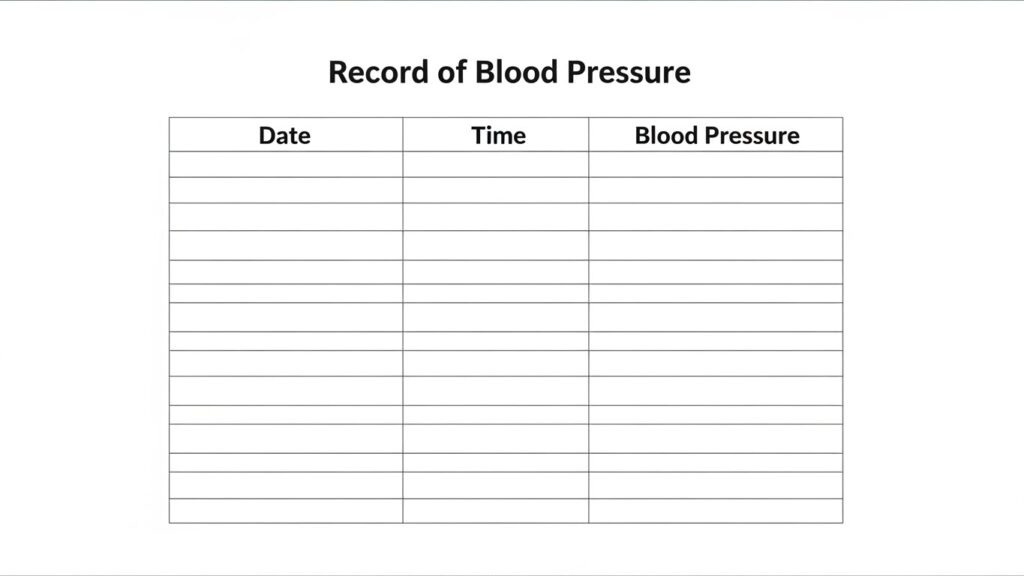
Managing your health doesn’t always require fancy gadgets or complicated apps. Sometimes, all you need is a pen, a piece of paper, and consistency. That’s where a blood pressure log printable comes in—a simple yet powerful tool that helps you stay in control of your heart health.
Think of it like a financial budget for your body. You wouldn’t manage money without tracking expenses, right? The same logic applies to blood pressure.
Introduction to Blood Pressure Monitoring
Why Blood Pressure Matters
Blood pressure is the silent storyteller of your cardiovascular health. High blood pressure often shows no symptoms, yet it quietly increases the risk of heart disease, stroke, and kidney problems.
Ignoring it is like ignoring a warning light on your car dashboard—it doesn’t end well.
The Role of Daily Tracking
Regular tracking helps you spot trends instead of reacting to one-off readings. A single high number might mean nothing, but a pattern? That’s valuable information.
What Is a Blood Pressure Log Printable?
Definition and Purpose
A blood pressure log printable is a paper-based chart where you manually record your blood pressure readings over time. It typically includes space for systolic and diastolic numbers, pulse rate, date, and notes.
It’s simple, visual, and incredibly effective.
How Printables Differ from Digital Apps
Unlike apps, printables don’t rely on batteries, internet connections, or updates. They’re tangible, distraction-free, and easy to share during doctor visits.
Sometimes, old-school just works better.
Benefits of Using a Blood Pressure Log Printable
Improved Awareness and Control
Writing numbers down makes them real. When you see your readings daily, you naturally become more mindful of lifestyle choices like salt intake, exercise, and stress.
It’s accountability in black and white.
Better Communication with Doctors
Doctors love data. A well-maintained blood pressure log gives healthcare providers a clear picture of what’s happening between visits—not just during one appointment.
Who Should Use a Blood Pressure Log?
People with Hypertension
If you’ve been diagnosed with high blood pressure, tracking is essential. It helps measure how well medications and lifestyle changes are working.
Seniors and At-Risk Individuals
Older adults, people with diabetes, or those with a family history of heart disease benefit greatly from consistent monitoring.
Prevention beats cure—every time.
Understanding Blood Pressure Readings
Systolic vs Diastolic Explained
-
Systolic pressure (top number): pressure when the heart beats
-
Diastolic pressure (bottom number): pressure when the heart rests
Both numbers matter. Ignoring one is like judging a book by half its pages.
Normal, Elevated, and High Readings
Understanding categories helps you know when to relax and when to act. A printable log lets you compare numbers easily over days or weeks.
How to Use a Blood Pressure Log Printable Correctly
When and How Often to Measure
Consistency is key. Measure at the same time each day—ideally morning and evening—while seated and relaxed.
Routine turns effort into habit.
How to Record Readings Accurately
Write down:
-
Date and time
-
Systolic and diastolic values
-
Heart rate
-
Any symptoms or stress factors
Details make your log truly useful.
Key Elements of an Effective Blood Pressure Log Printable
Date, Time, and Readings
These basics help track patterns and fluctuations. Without them, the log loses its diagnostic value.
Notes, Symptoms, and Medications
Adding notes like “headache,” “missed medication,” or “after exercise” provides context that numbers alone can’t.
Printable Blood Pressure Logs vs Mobile Apps
Pros of Paper Logs
-
No tech skills required
-
Easy to glance at trends
-
Perfect for seniors
-
Doctor-friendly
Paper logs are like notebooks—simple, reliable, and timeless.
When Digital Tracking Makes Sense
Apps work well for tech-savvy users who like automation. But for many, printables feel more personal and easier to maintain.
Tips for Consistent Blood Pressure Tracking
Building a Daily Routine
Pair tracking with an existing habit—like brushing teeth or morning tea. Habit stacking makes consistency effortless.
Common Mistakes to Avoid
-
Measuring after exercise
-
Talking during readings
-
Skipping days
-
Recording only “good” numbers
Honesty is the backbone of useful data.
How Doctors Use Blood Pressure Logs
Diagnosing and Adjusting Treatment
Doctors analyze trends, not isolated numbers. A detailed log helps them adjust medications safely and accurately.
It’s like giving your doctor a time-lapse instead of a snapshot.
Where to Find and Print Blood Pressure Logs
Free Printables and Custom Templates
Many health websites offer free blood pressure log printables. You can also customize your own based on how often you measure and what details matter to you.
Print it. Use it. Stick with it.
Conclusion
A blood pressure log printable may look simple, but its impact is powerful. It turns invisible health data into something you can see, understand, and act on. In a world obsessed with digital solutions, this humble paper tool proves that consistency beats complexity.
Your heart works for you every day. Tracking your blood pressure is one small way to return the favor.
FAQs
1. How often should I update my blood pressure log?
Ideally once or twice daily, at the same time each day.
2. Can I use a blood pressure log printable instead of an app?
Yes. Many people find printables easier and more consistent.
3. Should I bring my blood pressure log to doctor appointments?
Absolutely. Doctors rely on these logs for better diagnosis and treatment decisions.
4. What if my readings fluctuate a lot?
Fluctuations are normal. Focus on long-term patterns, not single readings.
5. Is a blood pressure log useful if my readings are normal?
Yes. It helps maintain awareness and detect early changes.











Most Commented