
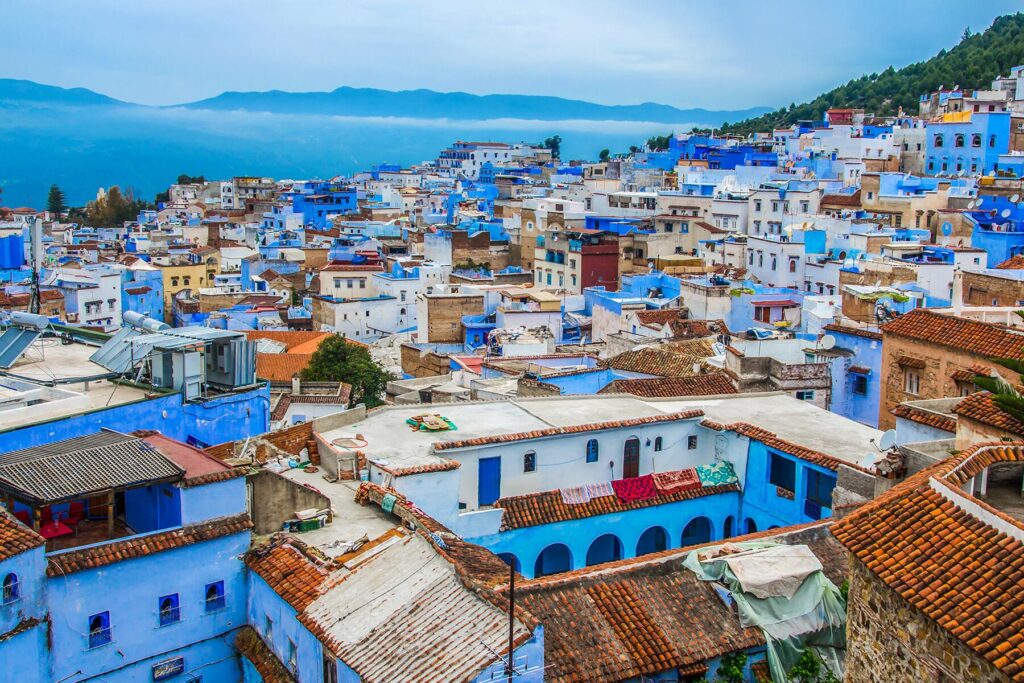
Morocco offers a sensory journey that begins the moment you step off the plane. The scent of cumin and orange blossom, the vibrant clash of terracotta and cobalt blue, and the rhythmic call to prayer create an immediate, unforgettable impression. A successful trip here requires more than a packed suitcase—it demands thoughtful preparation to navigate its diverse landscapes and rich culture. This guide provides a clear framework for the logistical and experiential planning needed to ensure your visit is seamless and deeply rewarding.
This isn’t about a rigid checklist, but about creating a flow that allows for both discovery and relaxation. We’ll cover the essential steps to organize your journey, from visas and transport to cultural nuances. Then, we’ll move beyond the basics to explore the destinations and activities that define the Moroccan experience, helping you build an itinerary that balances iconic sights with personal adventure.
Laying the Groundwork: Essential Pre-Trip Planning
Before dreaming of desert sunsets, address the fundamentals. Most visitors do not need a visa for stays under 90 days, but passport validity requirements (typically six months beyond your departure date) are strictly enforced. The best times to visit are spring (March to May) and autumn (September to November), when temperatures are mild across the country. Summer can be intensely hot, especially inland and in the desert, while winter brings cold nights to the mountains and Sahara.
Booking flights into major hubs like Casablanca (CMN) or Marrakech (RAK) is straightforward. For a more circular itinerary, consider flying into one city and out of another. Internal travel is a key part of planning; Morocco has an efficient train network connecting cities on the Atlantic coast (Casablanca, Rabat, Tangier), while buses and grand taxis serve more remote areas. For maximum flexibility, especially for routes like the Atlas Mountains or the road to the desert, renting a car is a popular option, though driving in major cities can be challenging for the uninitiated.
Crafting Your Moroccan Itinerary
Morocco’s geography naturally suggests several classic routes. A one-week trip often focuses on the imperial cities—Marrakech, Fes, and Meknes—with a possible day trip into the Atlas Mountains. With ten days to two weeks, you can incorporate the Sahara Desert, typically accessed via a multi-day tour from Marrakech or Fes through the Dades Valley, or spend time on the Atlantic coast in Essaouira or Asilah.
Avoid the temptation to cram too many stops. Travel between cities takes time, and the magic of Morocco is often found in wandering without a strict timetable. Dedicate at least two full days to both Marrakech and Fes to properly explore their labyrinths. If a Sahara excursion is a priority, allocate a minimum of three days for the round trip from Marrakech to Merzouga. To streamline this process, many travelers use a dedicated service to plan your trip to Morocco, ensuring transport and accommodations align smoothly with their chosen route.
Balancing Cities, Mountains, and Desert
A harmonious itinerary contrasts different environments. Follow the intensity of Fes’s medina with the calm of the blue-washed streets of Chefchaouen. Pair shopping in Marrakech’s souks with a hiking day in the Ourika Valley. This rhythm prevents sensory overload and showcases the country’s incredible diversity. Always confirm driving times realistically—what looks close on a map may involve slow, mountainous roads.
Cultural Considerations and Practical Tips
Understanding a few key customs will significantly enhance your experience. While Morocco is tourist-friendly, dressing modestly is a sign of respect, particularly for women. In medinas and rural areas, covering shoulders and knees is advisable. Learning basic Arabic phrases like “shukran” (thank you) and “salaam alaikum” (hello) is appreciated, though French is widely spoken in tourist and business contexts.
In the souks, bargaining is expected and part of the social interaction. Start at about half the asking price and negotiate with a smile. Always carry small change (dirhams) for taxis, tips, and small purchases. Tap water is not recommended for drinking; rely on bottled water. Lastly, be prepared for a different pace. Patience is not just a virtue but a necessity, whether you’re waiting for a meal or finding your way through a narrow alley.
Discovering the Top Experiences in Morocco
The true wealth of Morocco lies in its experiences, which range from ancient history to raw natural beauty. In Marrakech, the must-see Jemaa el-Fnaa square transforms from a market by day to a vast open-air food festival by night. The nearby Bahia Palace and the Saadian Tombs offer glimpses into royal history. In Fes, the highlight is getting lost in the ancient Fes el-Bali medina, a UNESCO site, and visiting the famous Chouara Tannery.
Venturing out, a trek in the High Atlas Mountains, perhaps to Mount Toubkal or through Berber villages, provides stunning scenery and cultural insight. The Sahara Desert is best experienced by spending a night in a desert camp near Merzouga or Zagora, where you can ride a camel into the dunes for sunset. The Atlantic coast offers a different vibe: the fortified port of Essaouira is known for its fresh seafood, windsurfing, and relaxed arts scene.
Beyond the Classics: Seeking Authenticity
For those looking to go deeper, consider these less-trodden paths. Visit the Roman ruins of Volubilis near Meknes. Explore the dramatic Todra Gorge by foot. Stay in a traditional riad (a house with an interior garden) rather than a hotel. Take a cooking class to learn the secrets of tagine and couscous. For a comprehensive list of these immersive activities, exploring a curated guide to the best things to do in Morocco can inspire the perfect balance of iconic sights and personal adventure.
Accommodation and Dining Guide
Your choice of accommodation can define your trip. Riads are the quintessential Moroccan stay, offering an oasis of calm behind unassuming medina walls. For luxury, major cities have world-class resorts and palaces. In the desert, traditional Berber camps range from basic to luxurious “glamping” styles. Booking in advance is crucial for riads and during peak seasons.
Moroccan cuisine is a highlight. Begin with street food like msemen (stuffed pancakes) and harira (lentil soup). For mains, you can’t miss a properly cooked tagine or couscous (traditionally served on Fridays). In coastal towns, grilled sardines and seafood pastillas are specialties. Always dine where it’s busy, and don’t shy away from the fixed-price menu du jour at local eateries.
Frequently Asked Questions
Do I need a guide in the medinas?
For your first visit to the large medinas of Fes or Marrakech, a licensed local guide for a half-day is a wise investment. They provide invaluable navigation, historical context, and can help with initial bargaining. After getting your bearings, you can confidently explore on your own.
Is Morocco safe for travelers?
Morocco is generally very safe for tourists. Petty crime like pickpocketing can occur in crowded areas, so standard vigilance is advised. Scams involving “helpful” strangers guiding you for money are common in medinas; a polite but firm “no thank you” (la shukran) usually suffices.
What is the best way to handle money?
The Moroccan Dirham (MAD) is a closed currency, meaning you can only obtain it within the country. Exchange some cash at the airport for immediate costs, then use ATMs (widely available in cities) for better rates. Credit cards are accepted in larger hotels and restaurants, but cash is king in the souks and for transport.
How should I dress as a woman in Morocco?
Modesty is key. Pack loose-fitting clothing that covers shoulders, cleavage, and knees. Maxi dresses, long skirts, and lightweight trousers paired with tunics are perfect. Carrying a scarf is useful for covering up when needed, especially when visiting religious sites.
Can I drink alcohol in Morocco?
Alcohol is available but not ubiquitous. It is served in licensed hotels, many restaurants in tourist areas, and some bars. It is not available in most traditional restaurants or grocery stores, and public drinking is unacceptable.
Is it easy to travel as a vegetarian?
Yes, though it requires some communication. Many classic dishes are vegetable-based, like vegetable tagine, zaalouk (eggplant salad), and couscous. Clearly state “ana nabati” (I am vegetarian) and confirm that no meat stock is used. Options are more plentiful in larger cities.
Conclusion
Planning a trip to Morocco is an integral part of the adventure itself. By addressing practical logistics like timing, transport, and cultural norms upfront, you create the space to fully immerse yourself in the country’s vibrant life. The goal is to move beyond being a spectator to becoming a respectful and engaged participant, whether you’re sipping mint tea in a courtyard or gazing at a star-filled desert sky.
Ultimately, the most memorable moments in Morocco often arise from the unplanned—a shared meal, an unexpected conversation, or a turn down an unexplored alley. Use this guide to build a solid framework for your journey, but leave room for spontaneity. With thoughtful preparation, you’re not just checking sites off a list; you’re opening yourself up to the profound hospitality and stunning diversity that makes Morocco a destination that calls travelers back again and again.

Most Commented