
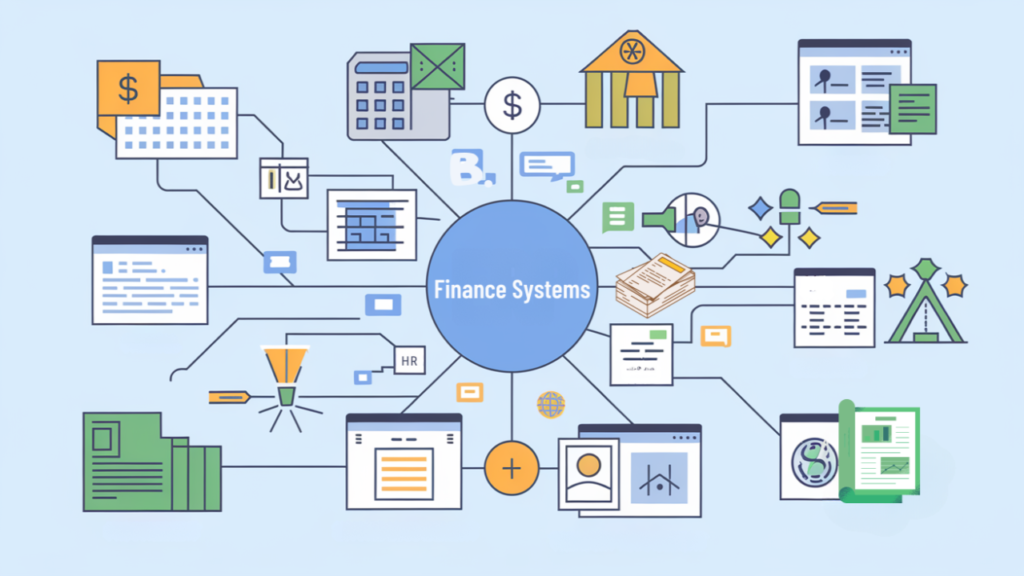
Modern businesses are more reliant on technology than ever before. A key part of this technological revolution is the integration of different systems to ensure seamless operation and maximum efficiency. In particular, the sales and finance departments can significantly benefit from system integration. This article will delve into the reasons why sales and finance need consolidated system integration.
The Challenges of Disparate Systems
Before we discuss why sales and finance need a consolidated system, it’s essential to understand the challenges that disparate systems present. In many organizations, the sales and finance departments operate independently, often using different software and systems.
These separate systems can lead to data silos, where information is stored independently in different departments. This situation can create a myriad of problems, including communication breakdowns, data duplication, and potentially harmful data discrepancies. Furthermore, it can lead to inefficiencies due to the extra time and resources required to manage, maintain, and reconcile these disparate systems.
The Power of Integrated Systems
Consolidated system integration can address these challenges by facilitating data sharing and collaboration between departments. When the sales and finance departments have access to the same, up-to-date data, they can make more informed decisions and work more effectively towards common business goals.
A perfect example of this is the Microsoft integration company to consolidate ERP, CRM, and line-of-business systems. By integrating these systems, businesses can create a unified platform that provides a more comprehensive view of their operations and customer interactions. This enables the sales and finance departments to work collaboratively, leading to more accurate forecasting, better budgeting, and improved sales performance.
Benefits of Consolidated System Integration
Consolidated system integration offers multiple benefits for both sales and finance departments:
Improved Efficiency: Integrated systems eliminate the need for manual data entry and reduce the risk of errors. This leads to significant time savings and improved productivity.
Enhanced Collaboration: By providing a unified view of data, integrated systems facilitate better communication and collaboration between departments. This can lead to more effective decision-making and improved business outcomes.
Real-Time Insight: Integrated systems provide real-time access to data, enabling departments to react quickly to changes and make more informed decisions.
Better Customer Service: With access to the same customer data, the sales and finance departments can provide a more consistent and personalized customer experience.
How to Achieve Consolidated System Integration
Consolidated system integration may seem like a daunting task, but with the right approach and support, it can be achieved relatively smoothly. One of the best ways to achieve this is by leveraging enterprise Microsoft integration services for Power Platform, Dynamics 365, and Azure. These services provide a comprehensive solution for integrating various systems, allowing businesses to streamline their operations and achieve greater efficiency.
Conclusion
In conclusion, consolidated system integration is a vital component for any business aiming to improve efficiency and promote collaboration between its sales and finance departments. By integrating these systems, businesses can break down data silos, streamline processes, and ultimately drive better business outcomes. With the help of enterprise Microsoft integration services, businesses can achieve this integration smoothly and effectively.
FAQs
What is system integration?
System integration is the process of combining different systems, software, and functions to work as a unified whole. This process enables different departments within an organization to share data and collaborate effectively.
Why is system integration important for sales and finance departments?
System integration is essential for sales and finance departments because it eliminates data silos, improves efficiency, enhances collaboration, and provides real-time insight. This can lead to improved decision making and better customer service.
How can businesses achieve system integration?
Businesses can achieve system integration by leveraging services like enterprise Microsoft integration services for Power Platform, Dynamics 365, and Azure. These services provide a comprehensive solution for integrating various systems, enabling businesses to streamline their operations and achieve greater efficiency.



Most Commented