
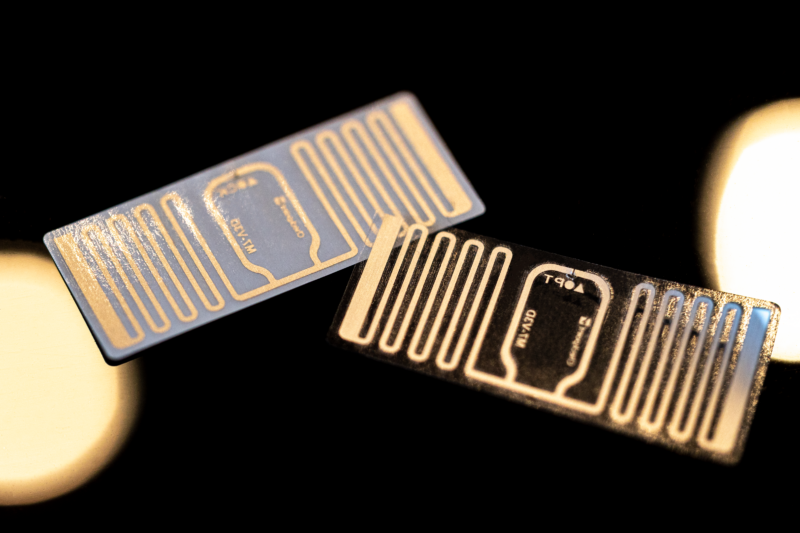
Choosing a reliable RFID tags manufacturer is crucial for effective industrial asset tracking. The right tags can significantly improve inventory management, reduce losses, and enhance operational efficiency. However, with numerous options available, making an informed decision can be challenging.
This article outlines key factors to consider when selecting a manufacturer. From understanding the technology to evaluating support and service, you’ll gain insights that will help you navigate the selection process and ensure your asset tracking needs are met.
Understanding RFID Technology
Radio Frequency Identification (RFID) technology uses electromagnetic fields to automatically identify and track tags attached to objects. These tags contain electronically stored information and can be read by RFID readers without direct line-of-sight.
Types of RFID Tags
There are two primary types of RFID tags: passive and active.
- Passive RFID Tags: These tags do not have their own power source and rely on the reader’s radio waves to activate. They are typically less expensive and suitable for various applications.
- Active RFID Tags: These tags contain a battery and can transmit signals autonomously. They have a longer read range and are ideal for tracking larger assets over long distances.
When choosing a manufacturer, understanding the differences between these tags is essential. Manufacturers specializing in the right type of RFID technology for your needs will ensure optimal performance.
Evaluating Manufacturer Experience and Reputation
A manufacturer’s experience in the RFID industry can significantly influence the quality of the products they offer. Companies with a proven track record are more likely to deliver reliable solutions.
Researching Industry Presence
Examine how long the manufacturer has been in business and their reputation within the industry. Look for testimonials, case studies, and reviews that highlight their capabilities. A reputable RFID Tags Manufacturer should have a portfolio showcasing successful implementations across various sectors.
Certifications and Standards
Ensure that the manufacturer complies with industry standards and certifications. Certifications such as ISO 9001 for quality management can indicate a commitment to consistent quality and reliability in their products.
Assessing Product Quality and Features
The quality of RFID tags directly impacts performance in asset tracking. Factors to consider include durability, read range, and compatibility with existing systems.
Material and Durability
RFID tags should withstand the specific environmental conditions of your industry. For example, tags used in a manufacturing environment must resist chemicals, moisture, and extreme temperatures. In contrast, retail tags may prioritize aesthetic design.
Read Range and Frequency
Different applications require different read ranges. Active RFID tags typically offer greater distances than passive tags. Understanding your tracking needs will help you determine which specifications are essential.
Support and Customer Service
Reliable support can be a game-changer when implementing RFID technology. Choose a manufacturer that offers comprehensive customer service and technical support.
Availability of Training Resources
A good manufacturer should provide training materials or sessions to help your team understand how to implement and use RFID technology effectively. This support can significantly reduce the learning curve and enhance operational efficiency.
Responsiveness and Technical Support
Evaluate how quickly the manufacturer responds to inquiries and issues. A reliable partner should offer timely technical support to troubleshoot any problems that may arise during implementation or operation.
Cost Considerations
While price shouldn’t be the sole factor in your decision, it is an essential aspect of evaluating manufacturers. Compare the costs of tags and associated services among different manufacturers.
Long-term Value vs. Initial Cost
Investing in higher-quality RFID tags may lead to lower maintenance costs and fewer replacements over time. Consider the total cost of ownership, including installation, maintenance, and potential downtime costs against initial purchase prices.
Bulk Discounts and Customization
Some manufacturers offer bulk pricing or customization options that can save costs in the long run. If your business requires a large volume of tags, inquire about discounts or tailored solutions that meet your specific needs.
Real-world Applications of RFID Tags
Understanding how RFID tags work in various industries can provide insights into their effectiveness. Businesses in sectors like logistics, healthcare, and manufacturing have successfully integrated RFID technology for asset tracking.
Logistics and Supply Chain Management
In logistics, RFID tags streamline inventory management by providing real-time visibility of goods. This technology reduces errors and improves efficiency in tracking shipments and managing warehouse operations.
Healthcare Asset Tracking
Hospitals utilize RFID tags to track medical equipment and supplies, ensuring timely access and reducing losses. This implementation enhances patient care by ensuring that necessary tools are always available.
Frequently Asked Questions
What is the lifespan of RFID tags?
The lifespan of RFID tags depends on their type and the environment in which they are used. Passive tags can last several years, while active tags generally have a shorter lifespan due to battery dependency.
Can RFID tags be reused?
Yes, many RFID tags are reusable, particularly active tags. However, passive tags are often designed for single-use applications, especially in environments like shipping and logistics.
How do I determine the right frequency for my RFID tags?
The right frequency depends on your application. Low-frequency (LF) tags are suitable for short-range, high-precision tracking, while high-frequency (HF) and ultra-high frequency (UHF) tags offer longer ranges for broader applications.
What should I do if my RFID tags are not detected?
If you encounter issues with NFC Tags Detected, check for interference from other electronic devices, ensure the tags are properly positioned, and verify that the reader is functioning correctly.
Conclusion
Choosing a reliable RFID tags manufacturer is a critical step in implementing effective industrial asset tracking. By understanding the technology, evaluating manufacturer experience, and considering product quality and support, businesses can make informed decisions that lead to enhanced operational efficiency.
As industries continue to evolve, the demand for reliable tracking solutions will only increase. Investing in quality RFID tags will position your business to meet future challenges and capitalize on emerging opportunities in asset management.











Most Commented