
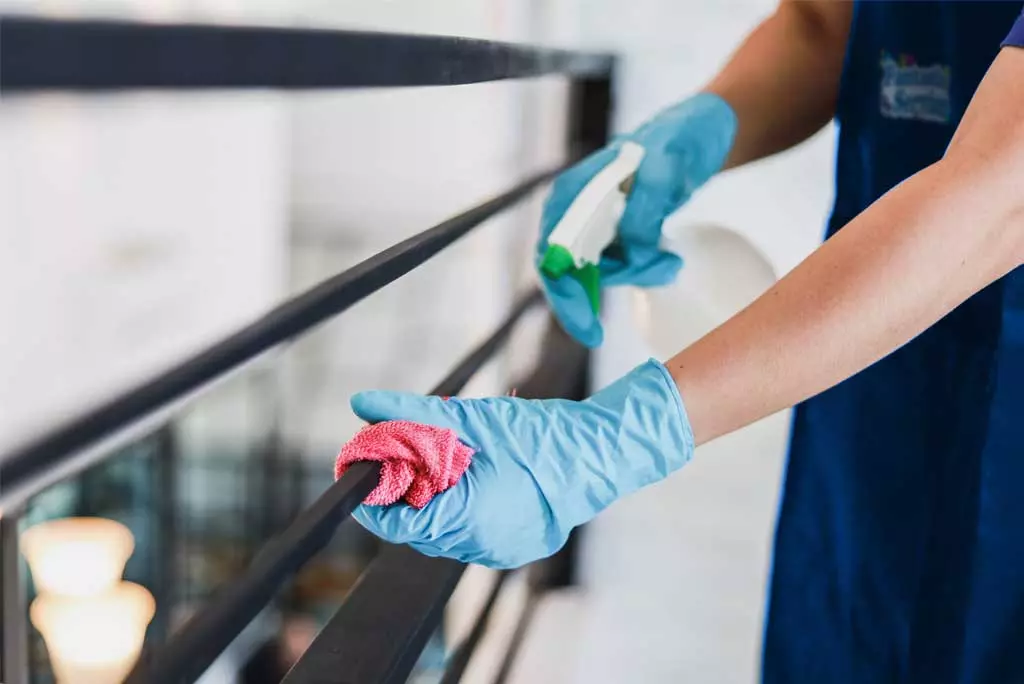
For decades, deep cleaning in Dubai was synonymous with industrial-strength chemicals and high-powered, water-intensive equipment. The goal was singular: achieve a sterile, spotless result at any cost. However, a significant transformation is underway. A new wave of professional cleaning services is redefining what it means to be clean, merging impeccable hygiene standards with a profound responsibility toward environmental and human health. This shift represents more than a trend; it’s a fundamental evolution in methodology and philosophy.
The drivers are multifaceted. Increasing awareness of indoor air quality and chemical exposure among residents, coupled with Dubai’s ambitious sustainability initiatives like the Dubai 2040 Urban Master Plan, has created demand for smarter, greener alternatives. Clients, from homeowners to multinational corporations, now expect service providers to align with broader environmental values without compromising on results. This has catalyzed an industry-wide pivot, moving beyond basic greenwashing to integrate genuinely sustainable practices into every facet of service delivery.
This article explores the key components of this evolution. We will examine the transition from harsh chemicals to plant-based solutions, the adoption of advanced water-saving technologies, and how modern logistics contribute to a smaller carbon footprint. The result is a new standard for Deep Cleaning Services Dubai—one that is effective, responsible, and forward-looking.
From Chemicals to Catalysts: The Green Product Revolution
The most visible change in eco-friendly deep cleaning is the complete overhaul of the cleaning arsenal. Traditional products often relied on volatile organic compounds (VOCs), ammonia, chlorine bleach, and synthetic fragrances. While effective against grime, these substances can linger in the air and on surfaces, potentially irritating occupants and polluting waterways post-disposal.
Modern eco-conscious companies have switched to certified green cleaning agents. These are typically derived from plant-based, mineral, or enzymatic sources. For instance, citric acid and lactic acid effectively descale and disinfect, while plant-based surfactants lift grease without toxic residues. The criteria for these products are strict: they must be biodegradable, non-toxic, free from phosphates and dyes, and often carry certifications like EcoLogo, Green Seal, or the EU Ecolabel.
The performance question is critical, and the industry has answered it. Advances in biotechnology have led to enzyme-based cleaners that break down organic stains (like protein or fat) at a molecular level, and probiotic cleaners that leave beneficial bacteria on surfaces to outcompete pathogens long after the cleaning crew has left. This isn’t about using vinegar for everything; it’s about deploying sophisticated, science-backed formulas that clean deeply while being safe for children, pets, and the technicians applying them.
Technology and Efficiency: Doing More with Less
Eco-efficiency is the second pillar of this evolution. It’s not just about what is used, but how it is used. Cutting-edge equipment now allows for exceptional results with minimal resource consumption.
- Water Conservation: In a region where water is precious, technology plays a key role. Commercial-grade steam vapor cleaners, for example, use minimal water to produce high-temperature, dry vapor that sanitizes surfaces without chemicals and leaves almost no moisture residue. Similarly, advanced encapsulation carpet cleaning methods use far less water than traditional steam cleaning, reducing drying times from 24 hours to just a few and preventing mold growth.
- Filtration and Air Quality: HEPA-filtered vacuum systems are now standard for leading services. These filters capture 99.97% of particles as small as 0.3 microns, including dust, pollen, and allergens, preventing them from being recirculated into the room air. This technology is essential for post-construction cleaning or in environments where air quality is paramount.
- Precision Application: Modern electrostatic sprayers and ultra-low-volume (ULV) foggers ensure disinfectants and sanitizers are applied in a fine, targeted mist. This maximizes coverage and efficacy while using up to 65% less product compared to conventional spraying or wiping methods, reducing both chemical use and waste.
Systemic Sustainability: The Bigger Picture
True eco-friendly evolution extends beyond the moment of cleaning. Progressive companies are examining their entire operational footprint.
Supply chain choices matter. This includes sourcing products in concentrated form to reduce plastic packaging and transportation weight, using refillable dispensing systems instead of single-use bottles, and selecting equipment built for durability and repairability. Logistics are also optimized; routing software minimizes fuel consumption by planning efficient travel paths between appointments, and companies are increasingly integrating hybrid or electric vehicles into their fleets.
Waste management is another critical area. This involves implementing robust recycling protocols for used containers, microfiber cloths (which are reused hundreds of times before recycling), and filters. The ethos is a circular one: reduce what is brought onto a job, reuse what is possible, and responsibly recycle the rest. This holistic approach differentiates a genuinely sustainable service from one that merely uses a green-labeled product.
The Tangible Benefits Beyond “Being Green”
Adopting these evolved practices delivers clear, practical advantages that justify the investment for clients.
First and foremost is health. Reducing the toxic load indoors creates healthier living and working spaces, which can lead to fewer allergies, respiratory issues, and chemical sensitivities. This is particularly valuable for families with young children, pet owners, and facilities like schools and healthcare clinics.
There is also a direct impact on asset preservation. Harsh chemicals and excessive moisture can degrade surfaces over time, fading fabrics, corroding metals, and wearing down sealants on natural stone. Gentler, pH-neutral green products and low-moisture techniques extend the life and appearance of expensive furnishings, flooring, and fixtures.
Finally, these services future-proof a property. As green building standards like LEED (Leadership in Energy and Environmental Design) and WELL become more prevalent, using certified cleaning services helps maintain a building’s compliance and can contribute to its overall sustainability rating and market value. Choosing a provider like Deep Cleaning Services Dubai that embodies this evolution is a strategic decision with long-term dividends.
Frequently Asked Questions
Are eco-friendly cleaning products as effective as chemical ones?
Yes, when using professional-grade formulations. Modern green cleaning science utilizes plant-based acids, enzymes, and beneficial bacteria that target specific soils and pathogens. They achieve the same, if not better, hygienic results without the corrosive damage or toxic residues of traditional chemicals. For heavily soiled areas, technicians may use slightly different application techniques or dwell times to ensure efficacy.
Will an eco-friendly deep clean cost more?
There may be a slight premium due to the higher cost of certified green products and advanced equipment. However, this is often offset by the value delivered: protection of your assets from corrosive damage, a healthier indoor environment, and support for sustainable practices. Many clients find the benefits justify the investment, and as these methods become standard, pricing continues to become more competitive.
Are the methods safe for pets and children?
Absolutely. A core principle of genuine eco-friendly cleaning is to eliminate toxins that pose risks to vulnerable occupants. Services that adhere to strict green standards use non-toxic, biodegradable products that do not off-gas harmful VOCs. It’s always advisable to confirm a company’s product certifications and ask about required ventilation or re-entry times, which are typically minimal.
Can green methods tackle severe problems like mold or deep-set stains?
Yes, but the approach is strategic. For mold, high-temperature steam vapor (which uses only water) is highly effective at killing mold spores on surfaces. For stains, enzymatic cleaners are specifically designed to break down the organic compounds in tough stains like blood, wine, or grease. Severe cases may require specialized treatment, but eco-friendly options exist and are deployed by trained professionals.
How can I verify a cleaning company’s eco-friendly claims?
Look for third-party certifications for their products (EcoLogo, Green Seal). Ask specific questions about their product ingredients, equipment (e.g., HEPA filtration, low-moisture systems), and operational policies (recycling, electric vehicles). A transparent, knowledgeable provider will readily share these details. Avoid those who simply say “we use green products” without substantiating their approach.
Conclusion
The evolution of deep cleaning services in Dubai from a purely functional task to a sophisticated, sustainability-focused practice marks a significant maturation of the industry. It reflects a broader societal shift where environmental stewardship and human wellness are inseparable from quality service. The modern standard is no longer just a spotless space, but a clean, healthy, and responsibly maintained environment.
This progression benefits everyone. Clients gain healthier interiors and longer-lasting furnishings. Cleaning technicians work in safer conditions. The community and local environment benefit from reduced chemical and water pollution. As technology advances and green chemistry continues to innovate, these services will only become more effective and accessible. The future of cleanliness in Dubai is undoubtedly green, proving that the highest standards of hygiene and environmental responsibility are not just compatible, but mutually reinforcing.









Most Commented